In the words of Leonardo DaVinci, ‘Simplicity is the ultimate sophistication’. It’s a truth that continues to echo across the world of brand design. Brands that feel genuinely elevated carry a sense of ease, as if their identity came together naturally. Think of walking into a space that feels calm, confident and deliberate without needing to announce itself. That same sensation applies to brand experiences that appear effortless on the surface but are held together by careful thought.
What looks simple is rarely simple. It’s a craft built on clarity, restraint and a relentless focus on the experience behind the visuals, and ultimately where strategy and design work as one.
Working with global brands has taught me repeatedly that premium is not a decorative final touch, but a mindset. It's a way of making decisions, and when clients understand that, collaboration becomes far smoother because we're both aiming for the same type of excellence.
The invisible work behind
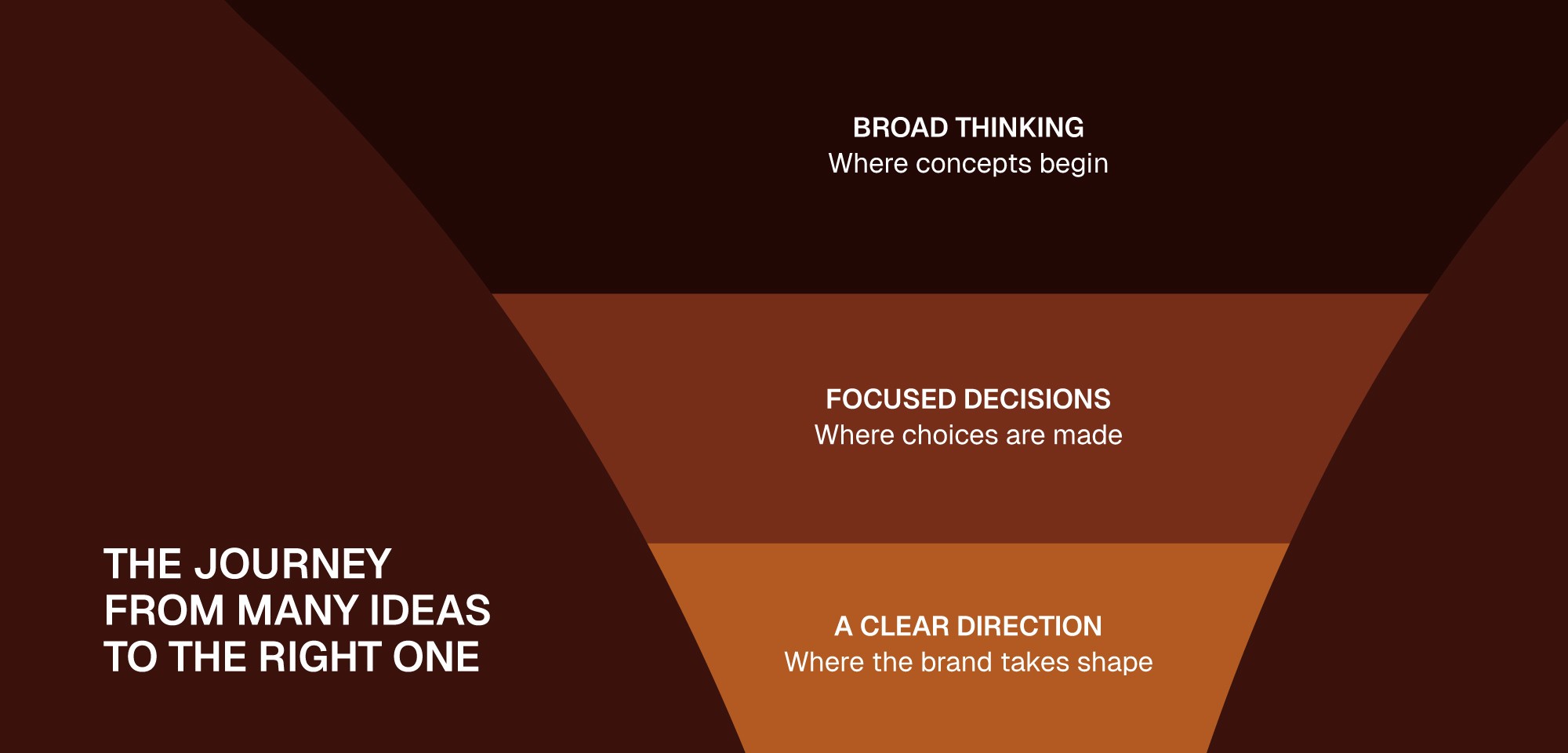
Great premium experiences usually have a long trail of discarded ideas behind them. They feel light because someone has taken the time to make the heavy work disappear. That effortless finish comes from a rigorous editing process. Designers trim visual noise, remove redundancies and make sure every element has a purpose. So when clients say a design just works, we know the effort paid off. What they do not see is the depth of experience and refinement that shaped that simplicity.
Maximal, minimal and empty
In the early stages of concepting, there is often a mismatch between what clients believe premium should look like and what actually creates a premium experience. While some picture ornate visuals and rich decoration, others think the answer is an ultra minimal layout that strips away almost everything. The truth sits somewhere in the middle.
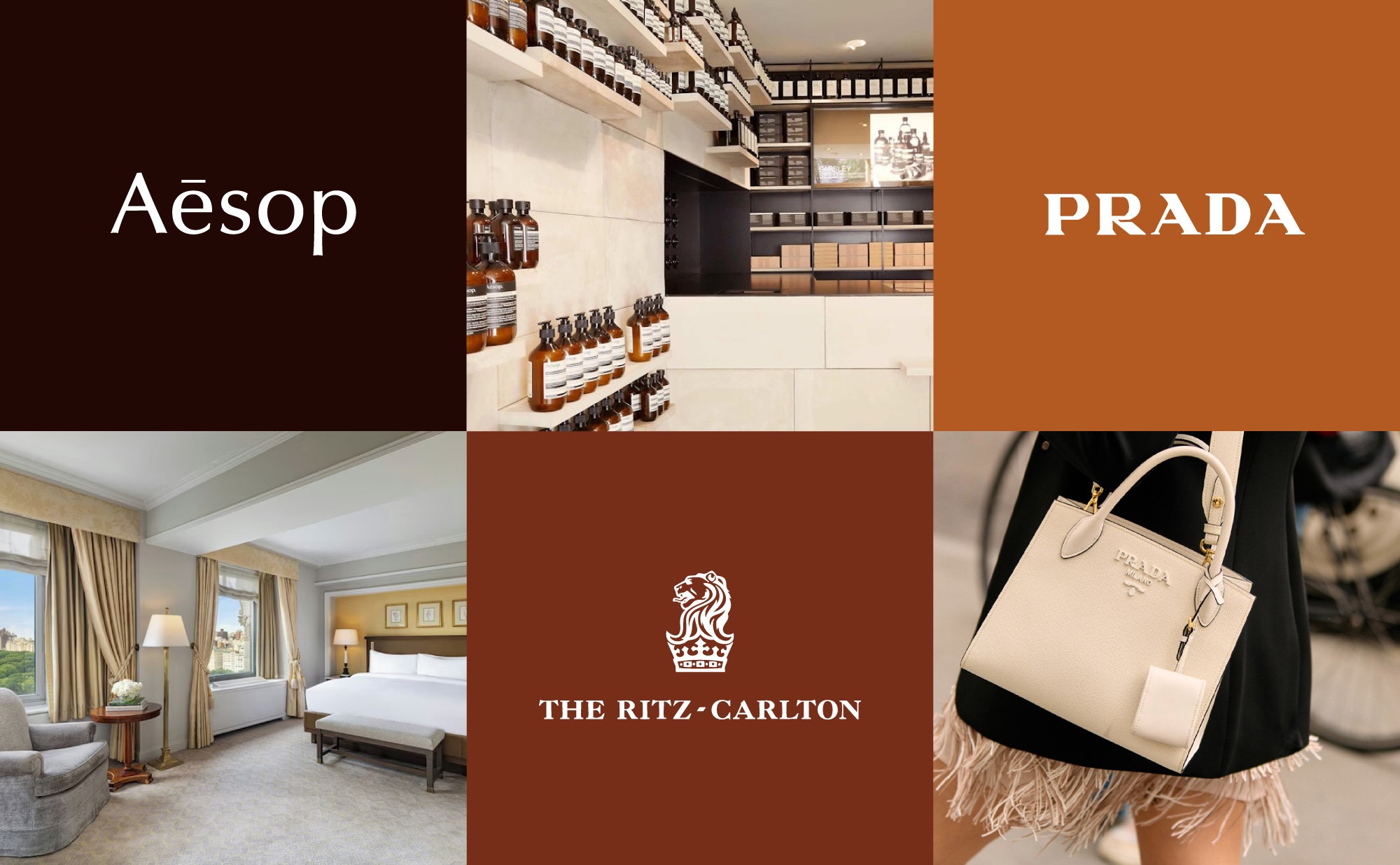
Sophisticated design depends on distinction and clarity and working together. Brands like Aesop, Hermès or even Apple prove that premium can feel warm or cool, detailed or minimal, traditional or modern - what they do have in common is purpose. Empty space without purpose feels less like confidence and more like uncertainty. Designers who understand premium know that every pause and gap play a role in shaping the experience.
'The elegance you see is the result of the work you don’t.'
Emotional temperature test
Premium brands often feel right before we can explain why. The subtle decisions carry the most weight, from the spacing between lines and the weight of typography to the pacing of content as it scrolls. These details give a sense of comfort that people may not be able to explain, but feel it instantly. For example, imagine you’re walking into a 5-star hotel lobby. You may not notice the lighting or materials, but you instantly recognise that the space feels elevated and thoughtfully put together.
Storytelling with discipline
An important pillar of the effortless premium look is narrative discipline. Brands often want to say everything, everywhere, all at once. More claims, more benefits, more sections. But premium communication works differently - it simplifies and prioritizes clarity over volume.
When the story is clear, the design can do its job without shouting. And when designers help teams cut unnecessary noise, something interesting happens. The brand’s true character finally has space to emerge, and this kind of narrative allows a brand to speak with confidence rather than desperation.
Why premium matters
Many view premium as a stylistic choice rather than a strategic one. In reality, it has a measurable impact. Premium brands command higher pricing, build trust faster, stand out in crowded markets, and ultimately enjoy longer lasting loyalty. For clients operating in competitive markets, this can be the difference between blending in and standing apart.
A well-crafted elegant brand experience also signals operational competence. If a company presents itself with clarity and care, audiences assume it applies the same discipline to its product or service, and that halo effect is powerful.
From an agency perspective, premium thinking helps decision making. When teams agree on what premium means, creative and strategic choices fall into place and it becomes a shared compass rather than a subjective wishlist.
Quiet confidence takes skill
The art of making a premium look effortless is a blend of strategic thinking and visual intelligence. It is also a practice of restraint. Designers must be willing to remove what is unnecessary and refine what remains. Done well, the result feels calm, confident and unmistakably elevated.
For me, this approach is not only a creative philosophy but a business tool. It helps clients see the value of thoughtful design and gives them a clearer sense of how a premium presentation supports their goals. Most importantly, it builds brands that look like they belong on the global stage.
published on plus972.com
related articles